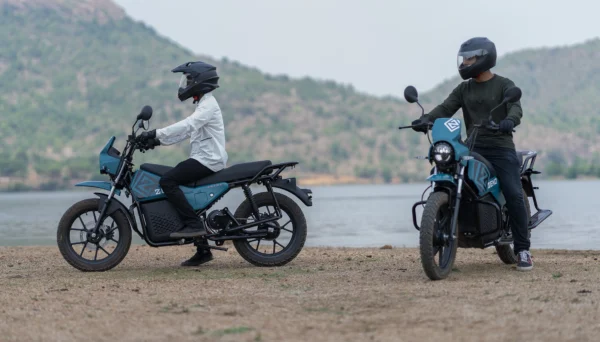
The humble utility bike that could reshape global transport.
ZENO MOTO | Brand Boost
What if the future of electric mobility wasn’t increasingly premium, but practical? Made for street corners, delivery runs, and 16-hour workdays? That’s the vision behind ZENO EMARA; an electric motorbike built for the people who rely on two wheels the most.
| SERVICES | Research Product Consulting Product Experience Design Transportation & eMobility Design |
Built for the hustle.
EMARA meets the needs of everyday transport – long hours, rough roads, and the flexibility to carry anything.
The right shift to electric.
No complexity, no fluff. Just a practical, affordable e-motorcycle that fits how people really move, work, and live.
An aspiration into reality.
Working alongside ZENO’s in-house experts, our teams supported turning an ambitious idea into a real-world design – entering Kenya first, with India to follow.
In Europe, e-vehicles are the new norm.
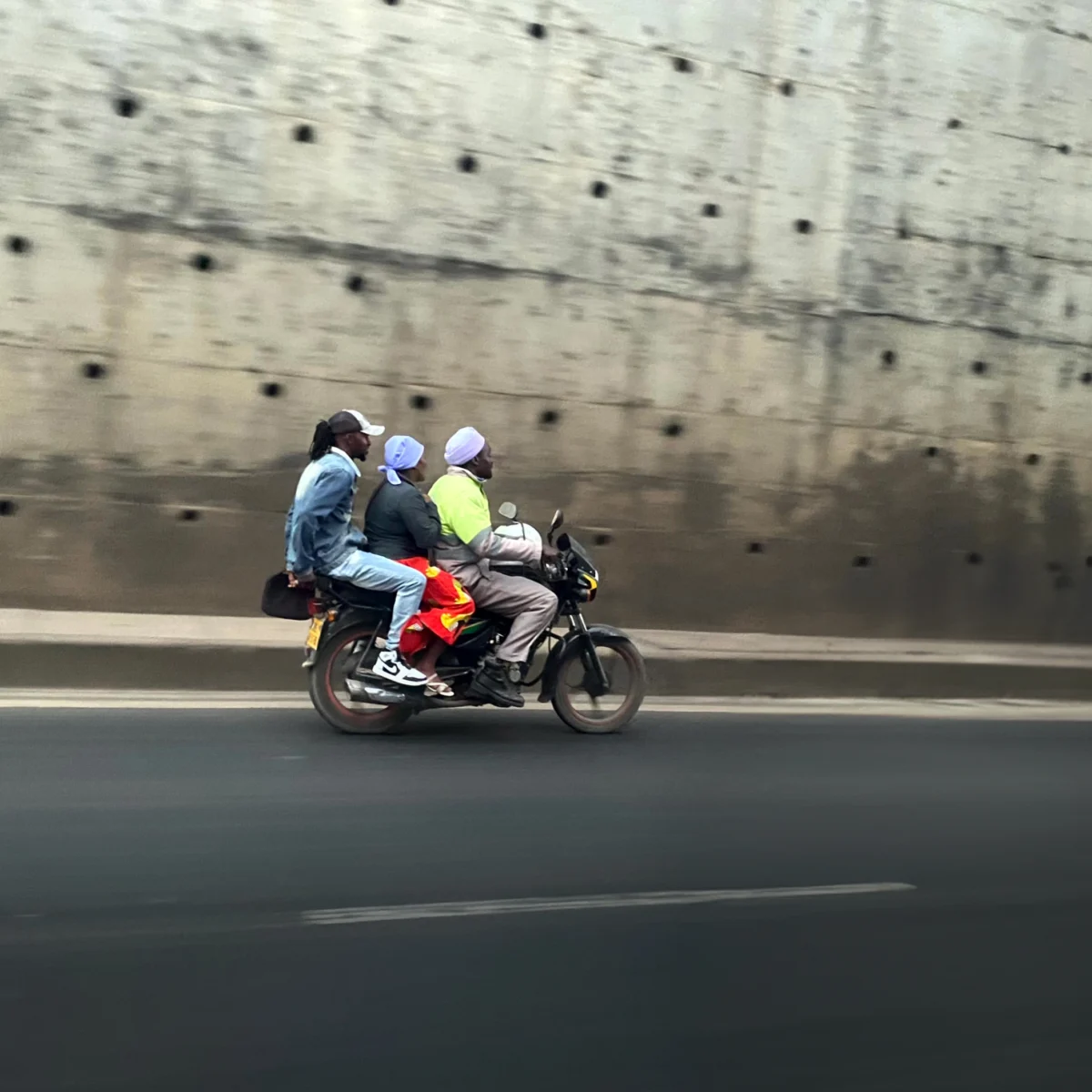
But in places like India and East Africa, the shift is slower. It’s held back by cost, infrastructure, and the practical realities of daily life. In some countries, petrol-powered 150cc bikes dominate the roads, used for everything from delivery runs to family transport. But, as we all know, they have their drawbacks…
Electrifying utility riders.
ZENO MOTO, a startup led by Michael Spencer, a former Tesla executive, set out to change the status quo. Their mission: replace petrol bikes with a practical electric alternative – and, in doing so, cut a measurable slice of global emissions. The plan wasn’t only to build a bike, but to create an accessible battery-swapping network too
Designing with (and for) the riding community.
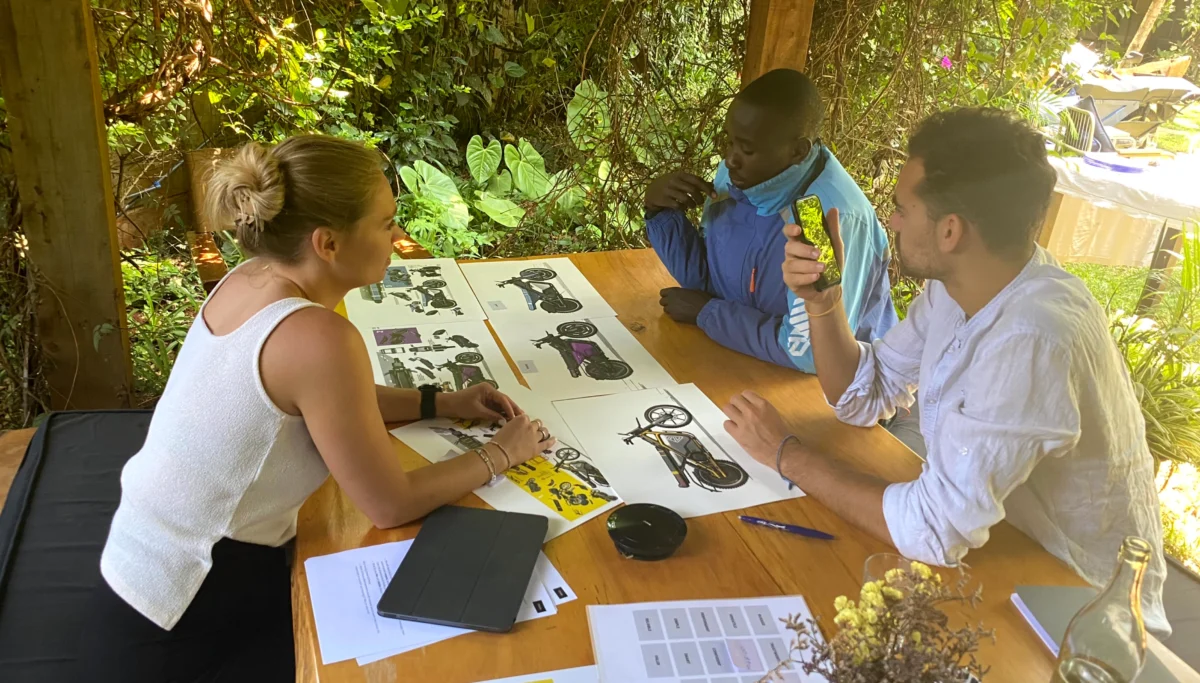
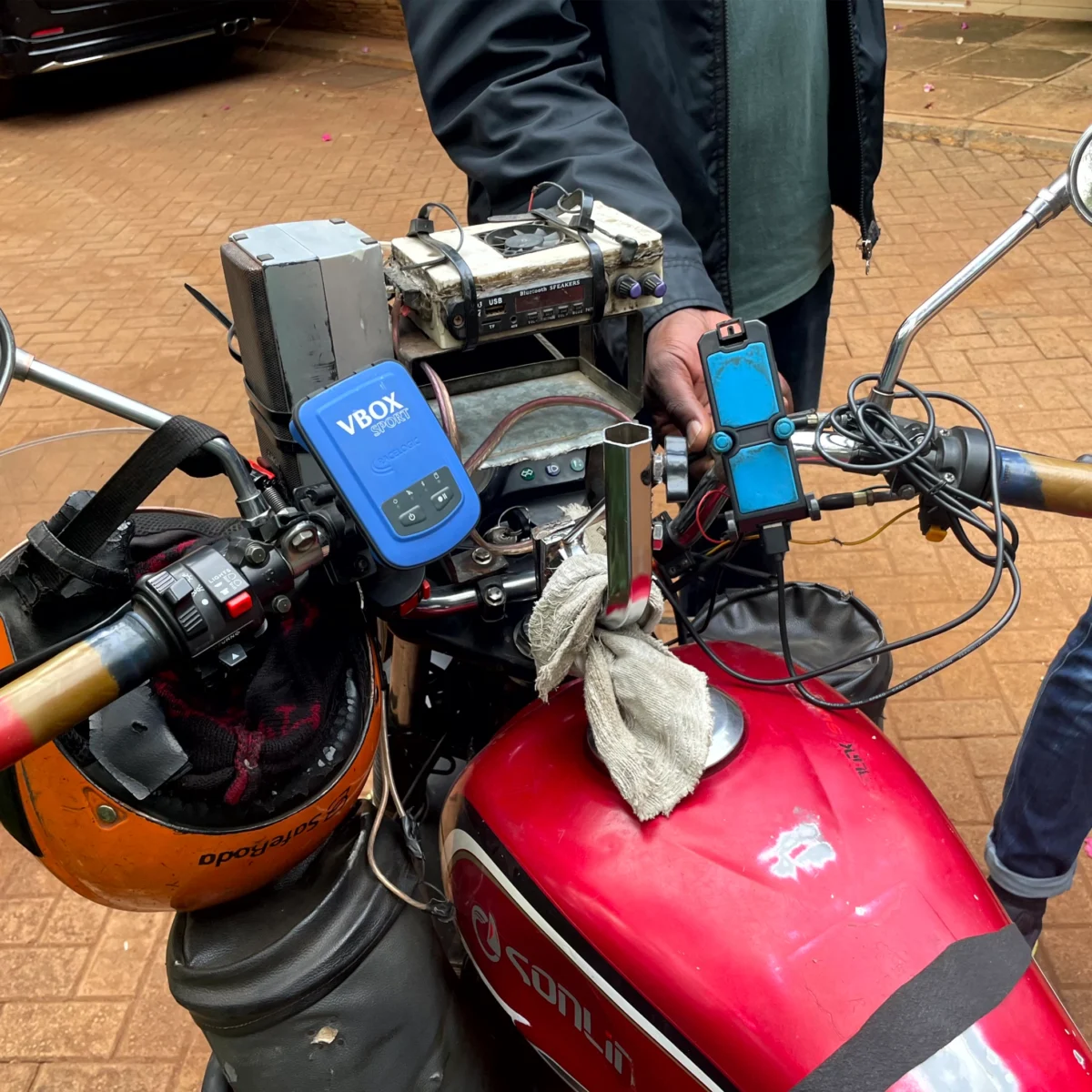
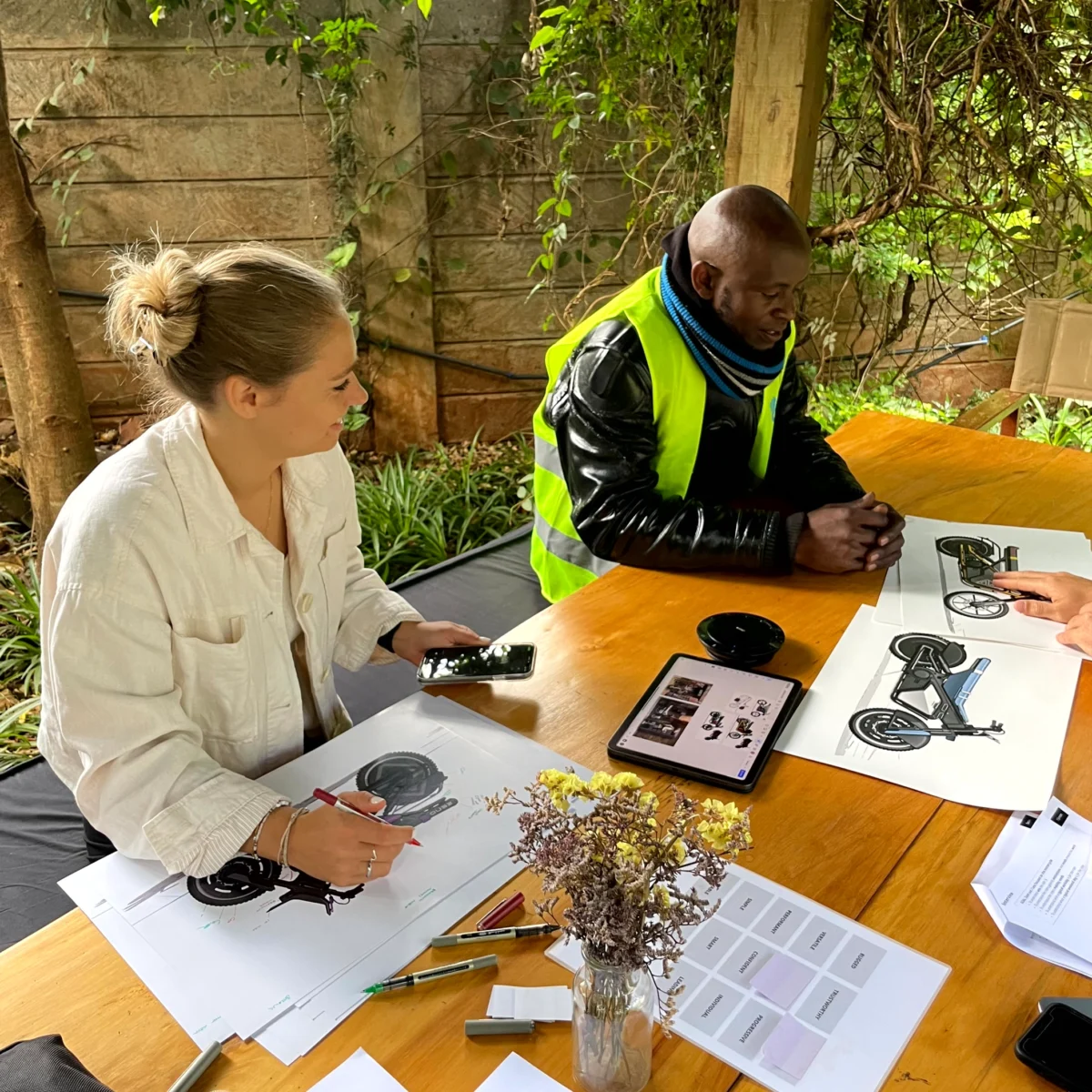
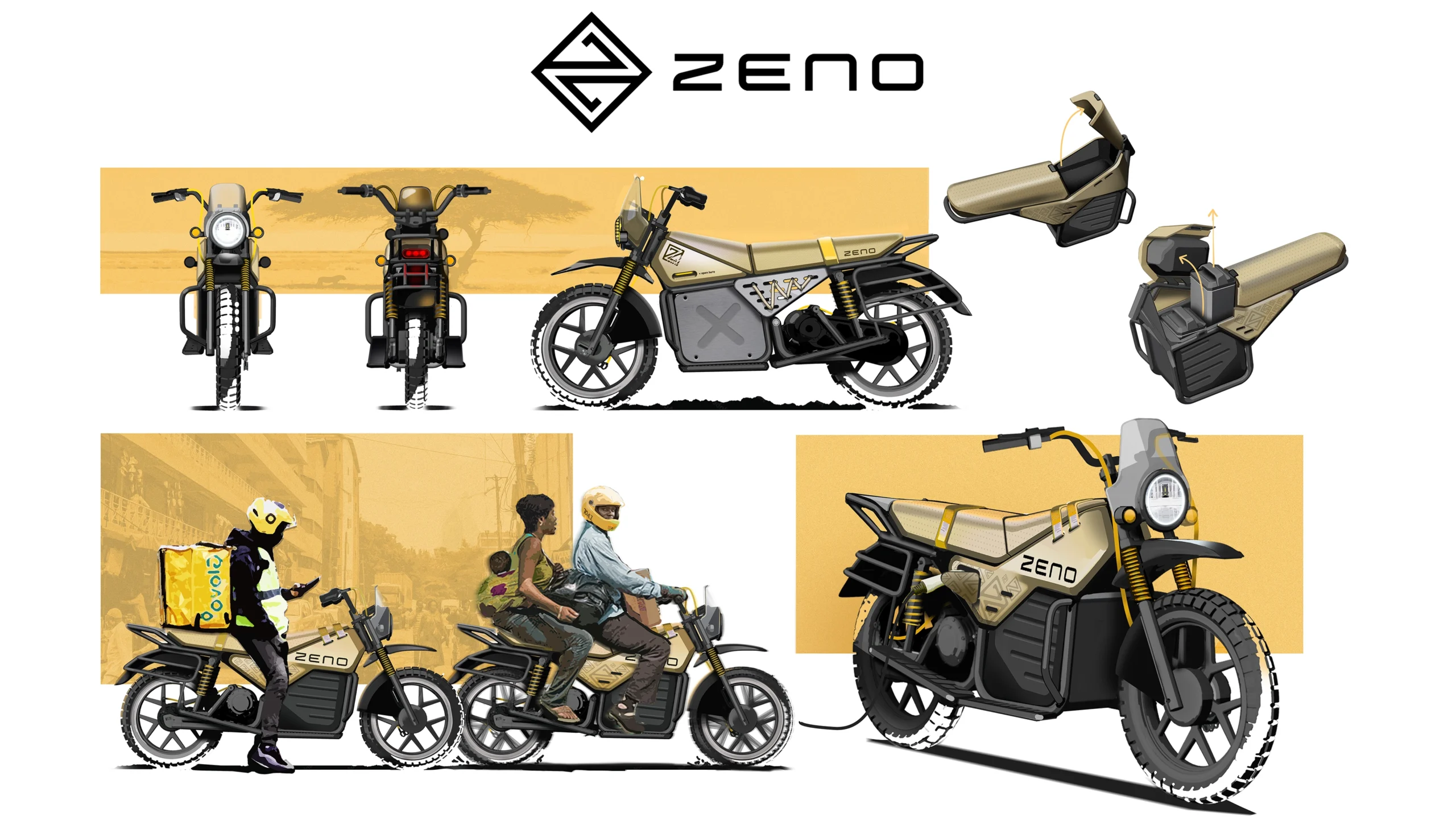
To complement ZENO’s product development work, KISKA supported the project through visual language exploration and with creative problem solving. We visited Kenya to better understand the daily context of riders – people who work 16-hour days, 6–7 days a week. Comfort, reliability, and low running costs were non-negotiable. So was flexibility; the same bike needs to carry passengers, cargo, and adapt to changing weather.
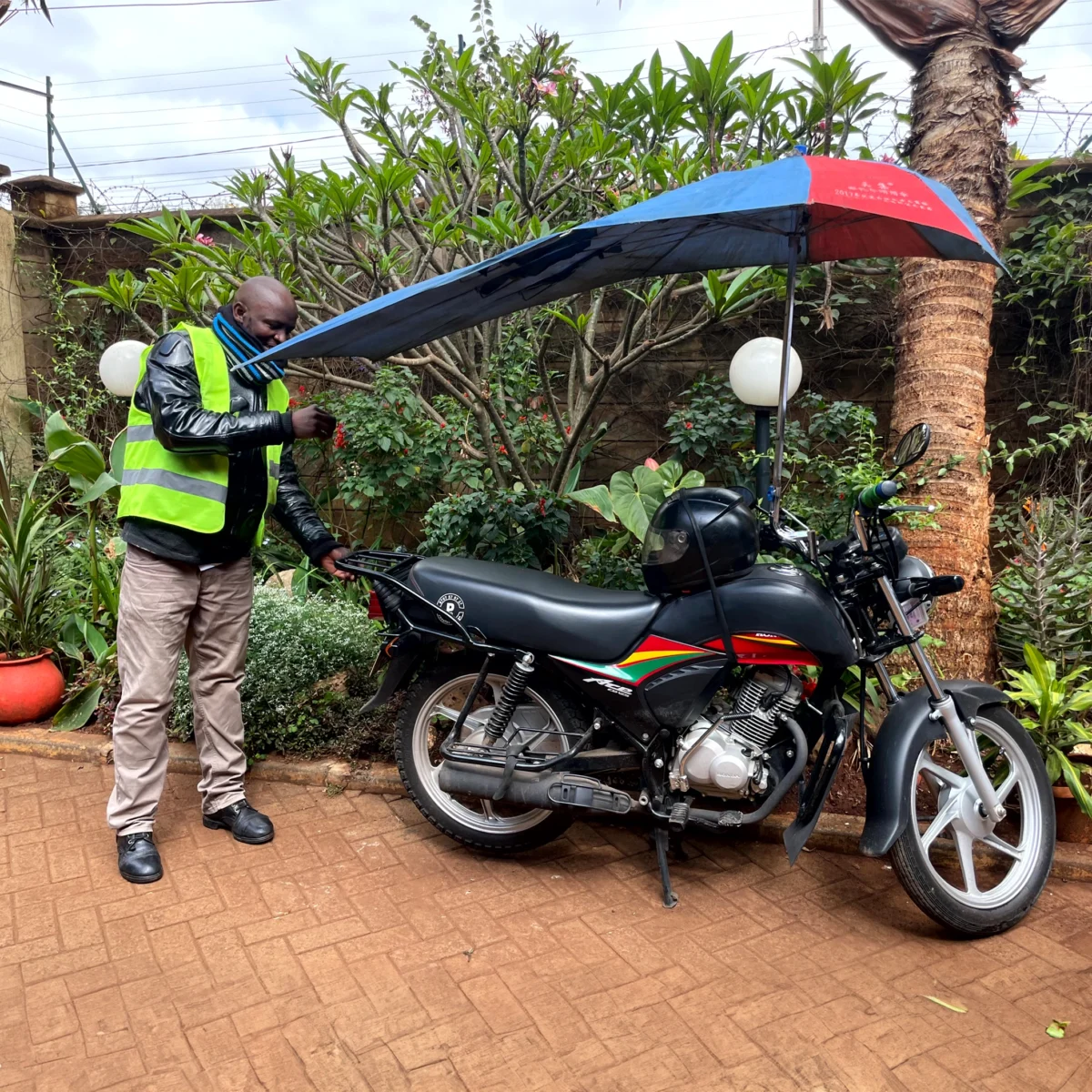
From these conversations came a clear design brief.
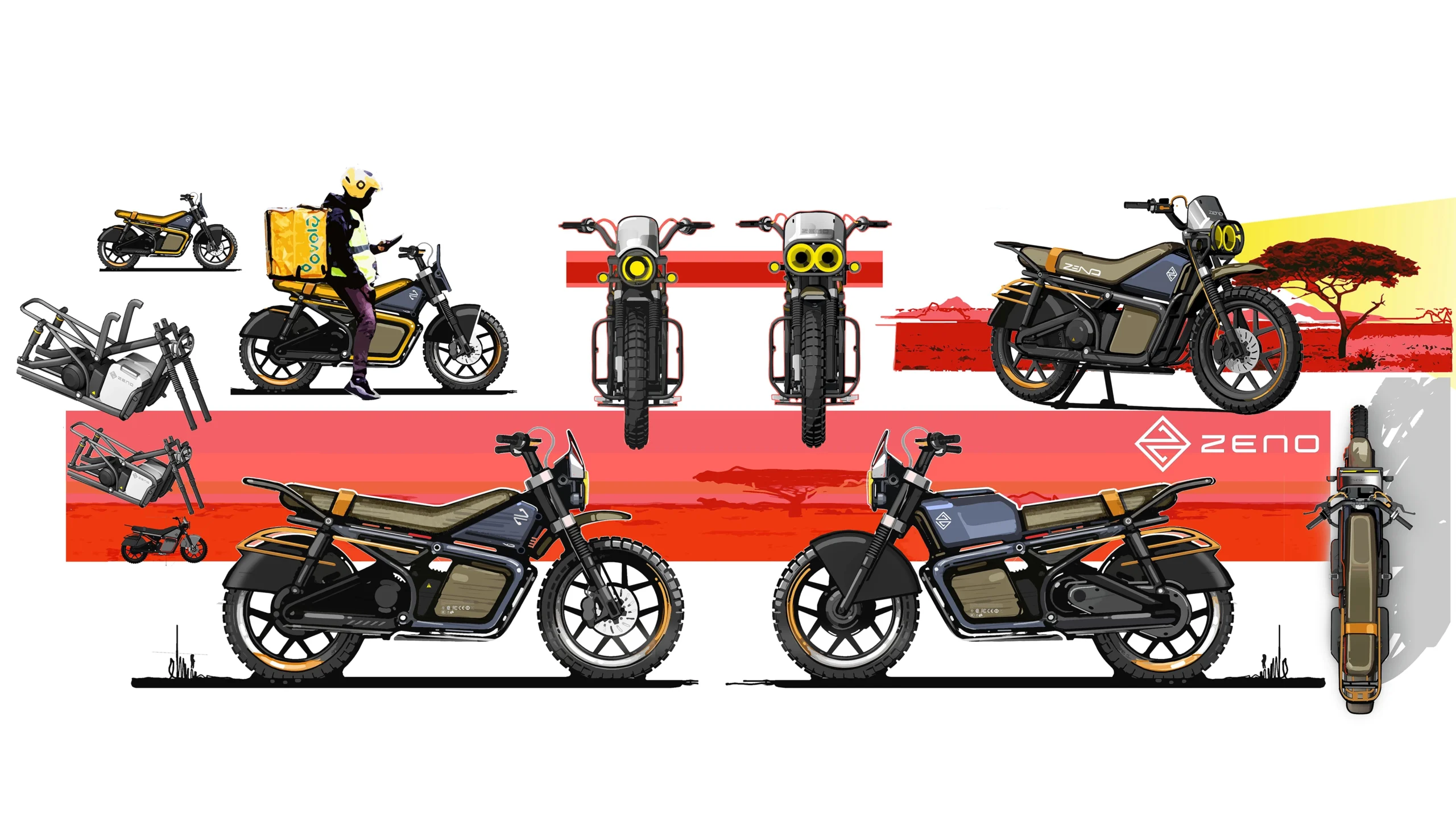
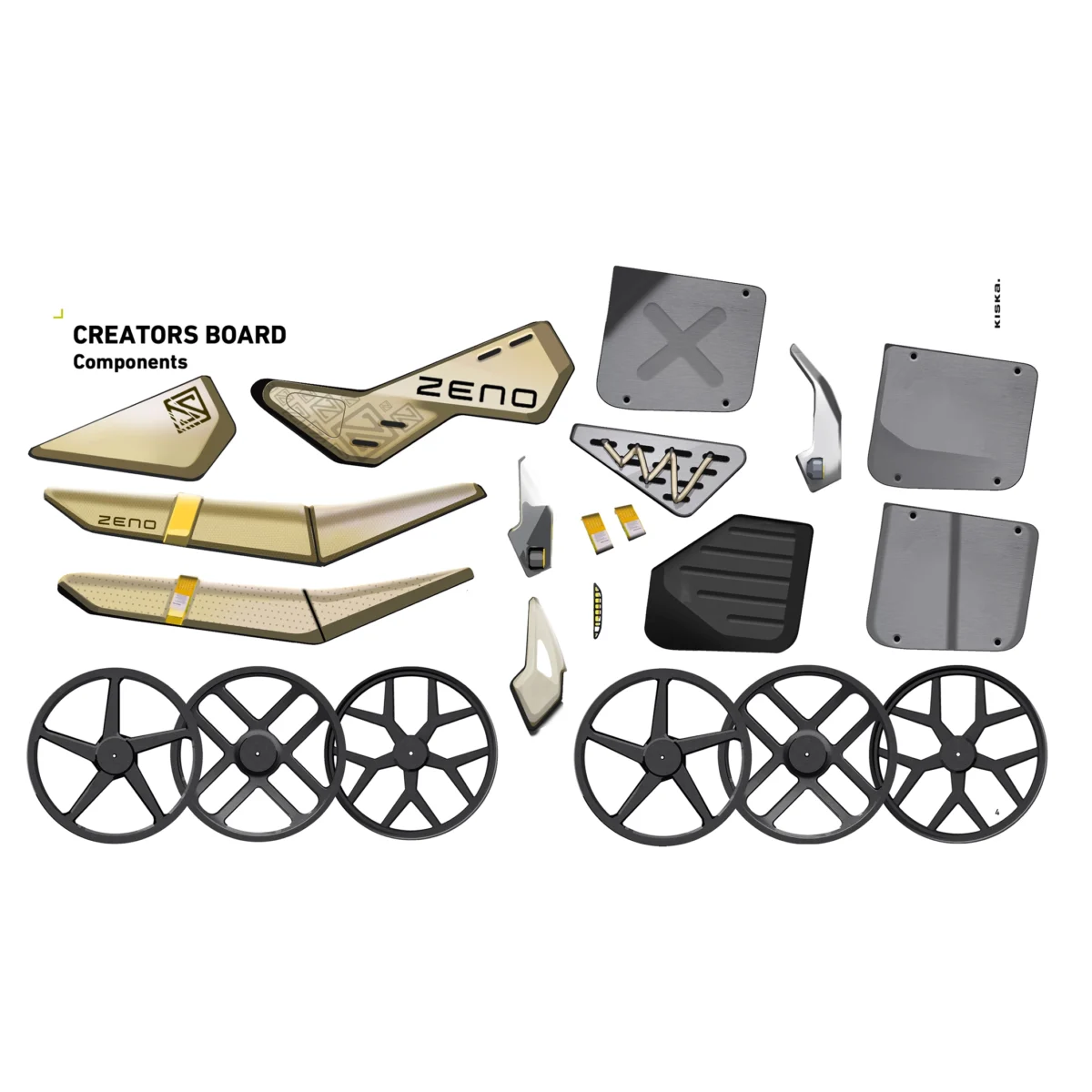
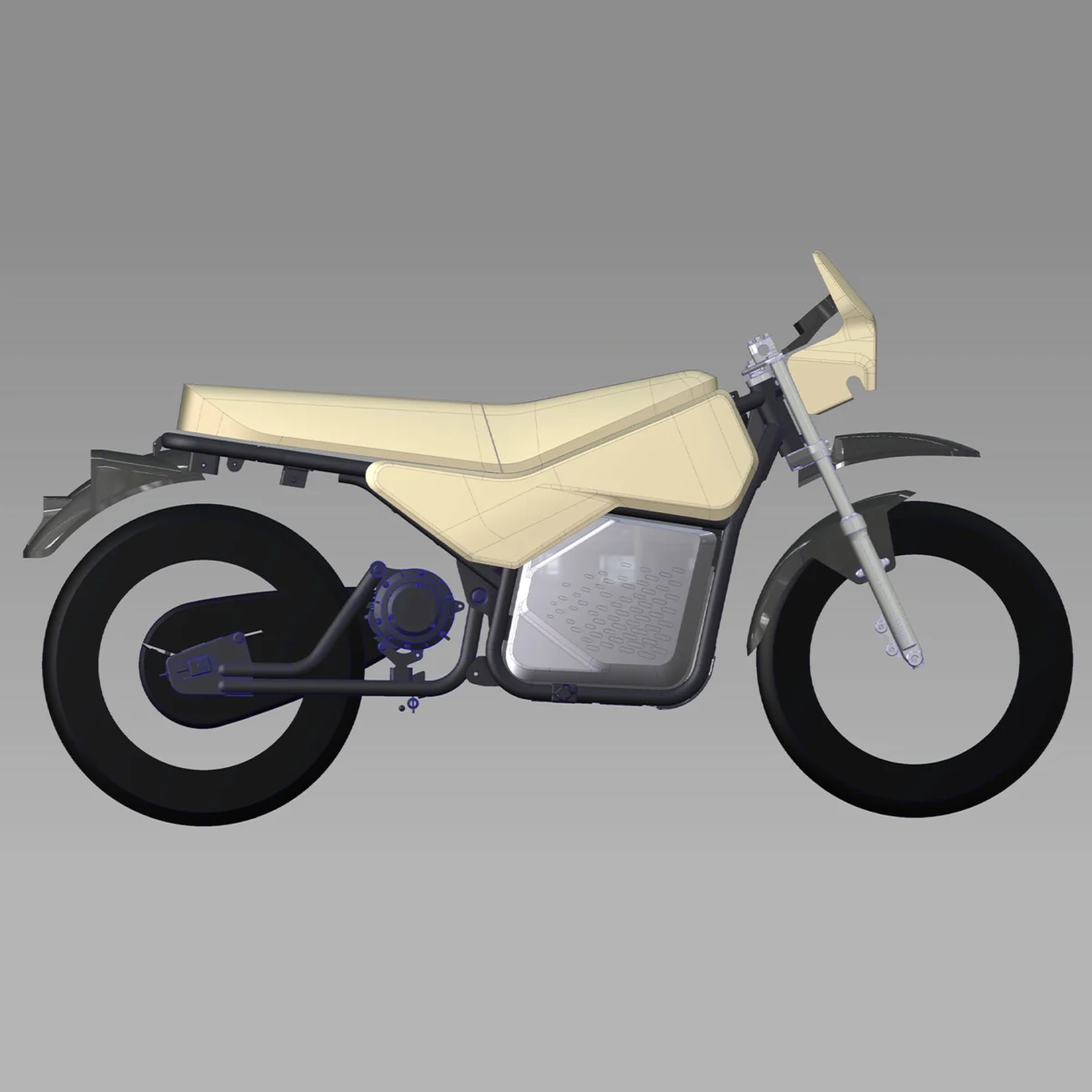
ZENO translated insights from years of on-the-ground expertise into product requirements. Building on this foundation, we helped refine the EMARA’s design language and form development. By incorporating off-the-shelf parts, the bike became highly cost-effective – without losing quality. Recognisable as a utility bike, but with features that stand out: flat seat, high mud clearance, practical in-moulded decals, storage, and built-in mounts for add-ons like umbrellas and phone holders.
Clear, confident, and grounded in what matters.
Through design testing, we saw that visual strength and reliability mattered just as much as technical performance. Riders looked for signals (a comfortable multi passenger seat, sturdy frames, strong shocks, protected components) that a bike would survive rough roads and long hours. EMARA’s upright stance, cast wheels, and weatherproof elements spoke directly to those needs.
Market readiness
Field conversations confirmed that riders were already open to electric. While some concerns about battery life and theft came up, the overwhelming response was enthusiastic. Many riders already understood the long-term benefit of lower running costs and less maintenance. What mattered most was having a product that worked from day one.
But…the bike was only half the picture.
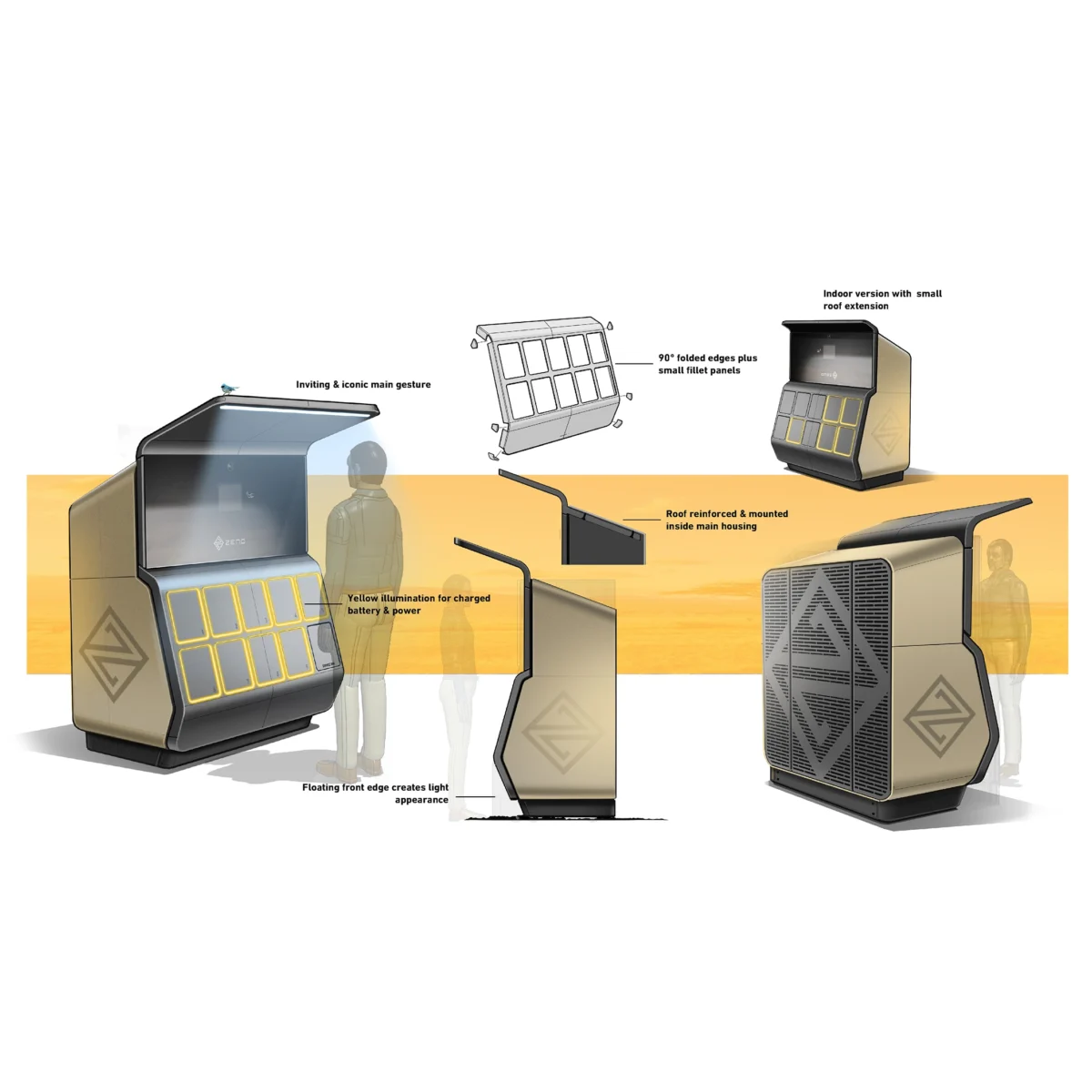
ZENO’s plan includes a full ecosystem, starting with modular, low-infrastructure battery swap stations. With ergonomics, technical layout, and substructure already defined by ZENO, we worked together to ensure the stations were tough enough for outdoor use, intuitive for riders, and visually consistent with the bike. The brand’s growth strategy also meant it had to be easy to deploy without long lead times.
From Kenya, to India, and beyond.
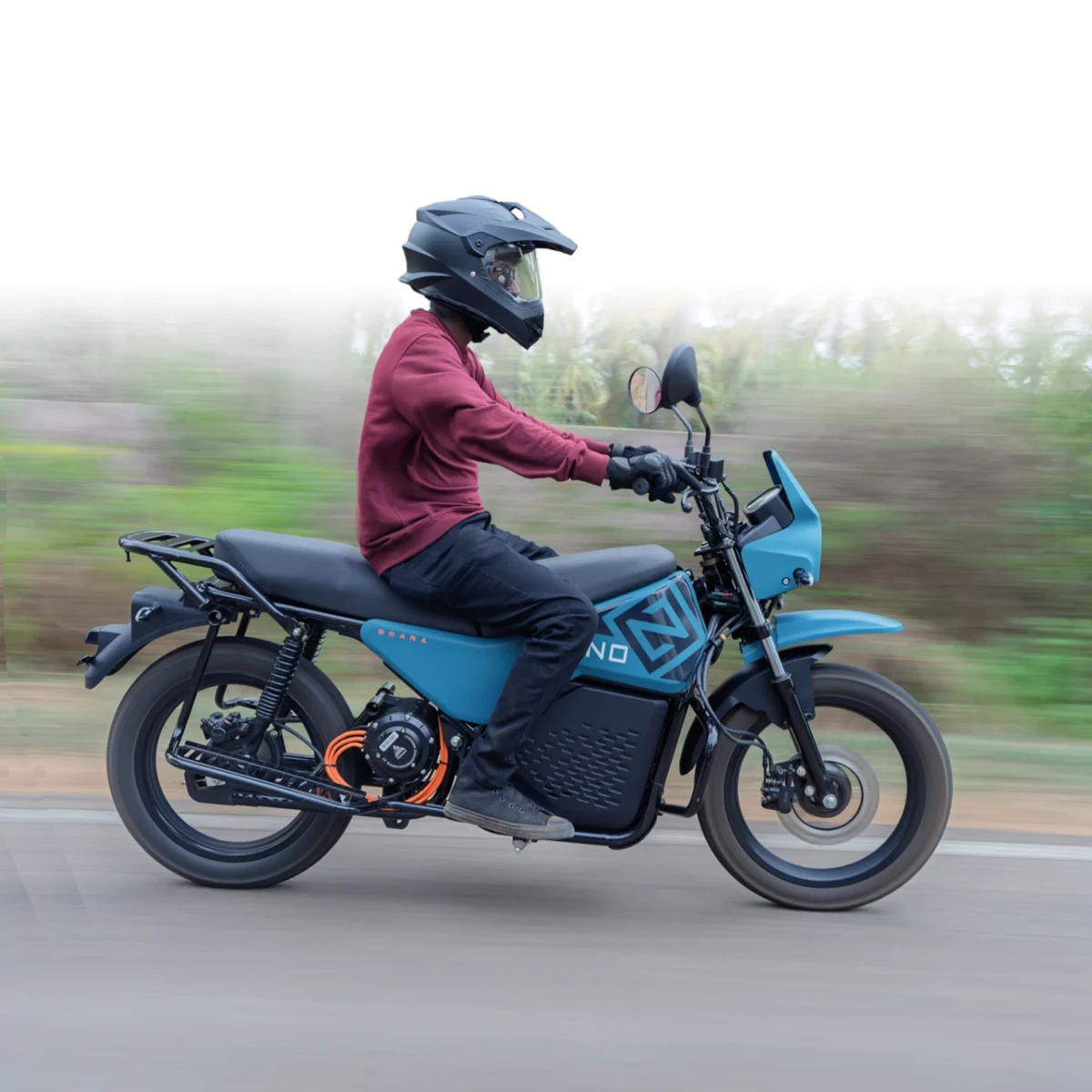
ZENO MOTO has launched EMARA in Nairobi, with India to follow in 2026. With a swappable 4kWh battery, real-world range of 100km, and an 8kW motor, it’s built to handle long hours, heavy loads, and rough roads. The design is simple, durable, and ready to grow – starting with riders and building outward from there.
Check out more of our work.
Sharp thinking. Bold execution. KISKA generates brand experiences with business value. From strategic consulting to hands-on execution of your vision. See the results for yourself.